Thin wall plastic mould technology is used wherever manufacturers need lightweight parts, fast cycles, and high-volume output. For Hengqi's buyers, the most important applications are food containers, takeaway lids, sauce cups, IML cups, drink cups, and compartment lunch boxes.
The opportunity is clear: reduce resin use and increase machine output. The risk is also clear: thin walls leave less room for poor flow balance, weak rims, uneven cooling, or unstable ejection. A thin wall plastic mould must be engineered around production reality, not only a 3D shape.
What Counts as a Thin Wall Mould
In food packaging, thin-wall parts often run below 1mm and may target around 0.3mm to 0.6mm depending on resin, capacity, and container design. At that thickness, the melt must fill the cavity quickly before it freezes. This is why resin flow, injection speed, gate design, venting, and machine matching all matter.
Buyers should not judge thin-wall mould capability only by a sample photo. The supplier should explain the target wall thickness, part weight, flow length, runner type, cooling concept, ejection method, and expected cycle time under a specific machine setup.
Core Applications in Packaging
Thin wall food container moulds are used for round boxes, square boxes, soup containers, crisper boxes, sauce cups, and compartment meal trays. These products need rim strength, sealing fit, stack control, and stable demolding because they are packed, transported, and handled at high speed.
Cup and lid projects have similar demands. Coffee cup lid moulds need sealing accuracy and clean edges. IML cup moulds need label placement clearance and stable cup shape. Thin-wall drink cup moulds need enough stiffness for filling and stacking while keeping the cup weight competitive.
Design Trends Buyers Should Track
Lightweighting remains the strongest trend, but the best projects reduce material only after checking container function. A thinner part may need stronger ribs, a revised rim, better cooling, or a different resin grade to maintain real packaging performance.
Another trend is tighter integration with automation. Robot take-out, in-mold labeling, stacking systems, and downstream packing all influence mould design. If automation is added after the mould is finished, the buyer may face avoidable changes to the tool or production line.
Sourcing Checks Before Tooling
Before ordering a thin wall plastic mould, buyers should confirm drawings, resin, cavity count, injection machine data, target cycle, wall thickness, part weight, lid or label requirements, and acceptance tests. For food packaging, sample testing should include stacking, sealing, leakage, drop handling, deformation, and cavity-to-cavity variation.
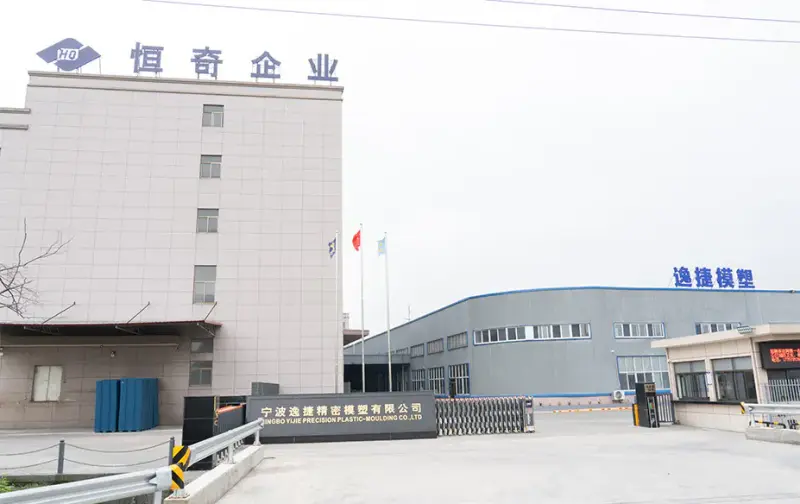
Hengqi can review thin-wall container projects around these production factors and connect the buyer to suitable product pages, including 1000ml round container moulds, 2oz sauce container moulds, 32oz soup container moulds, and IML cup moulds. Clear project data lets the mould design support ranking-critical buyer intent and actual manufacturing performance at the same time.