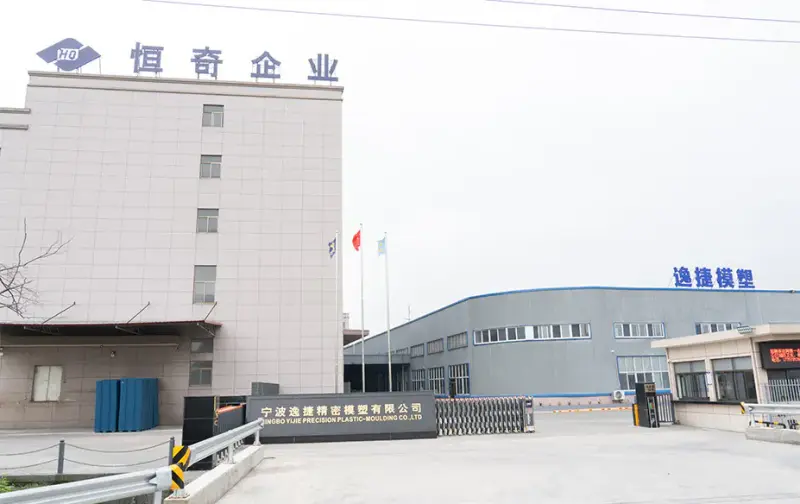
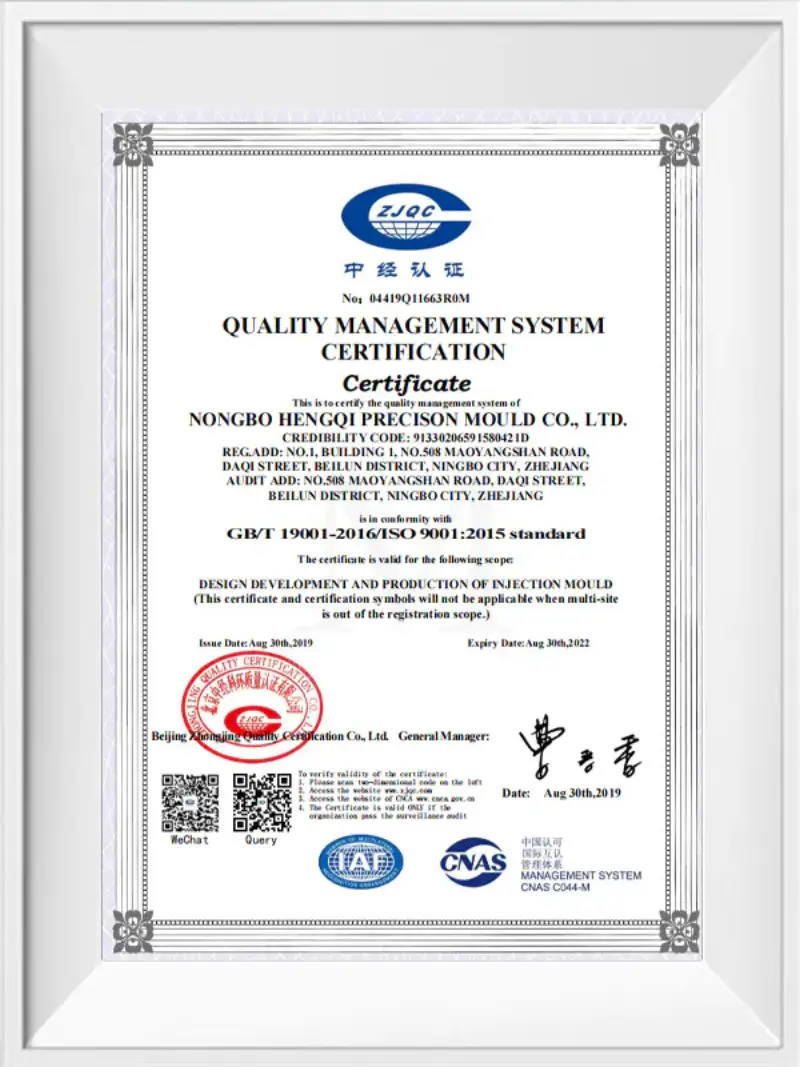
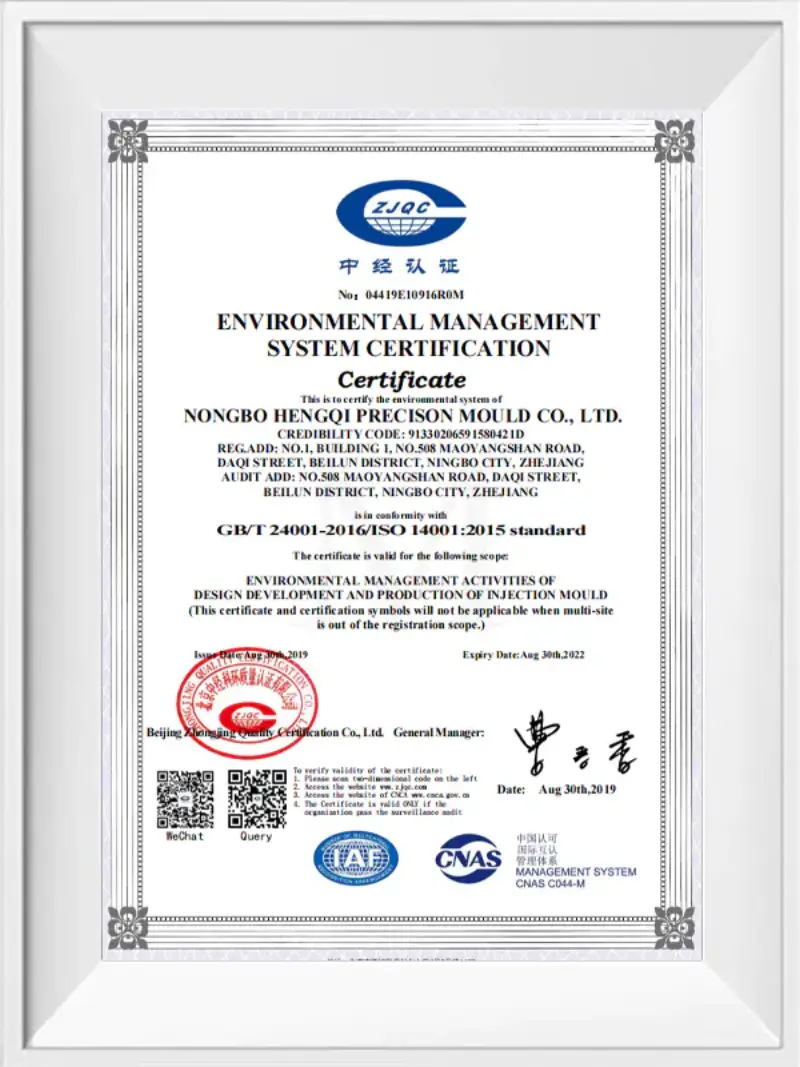
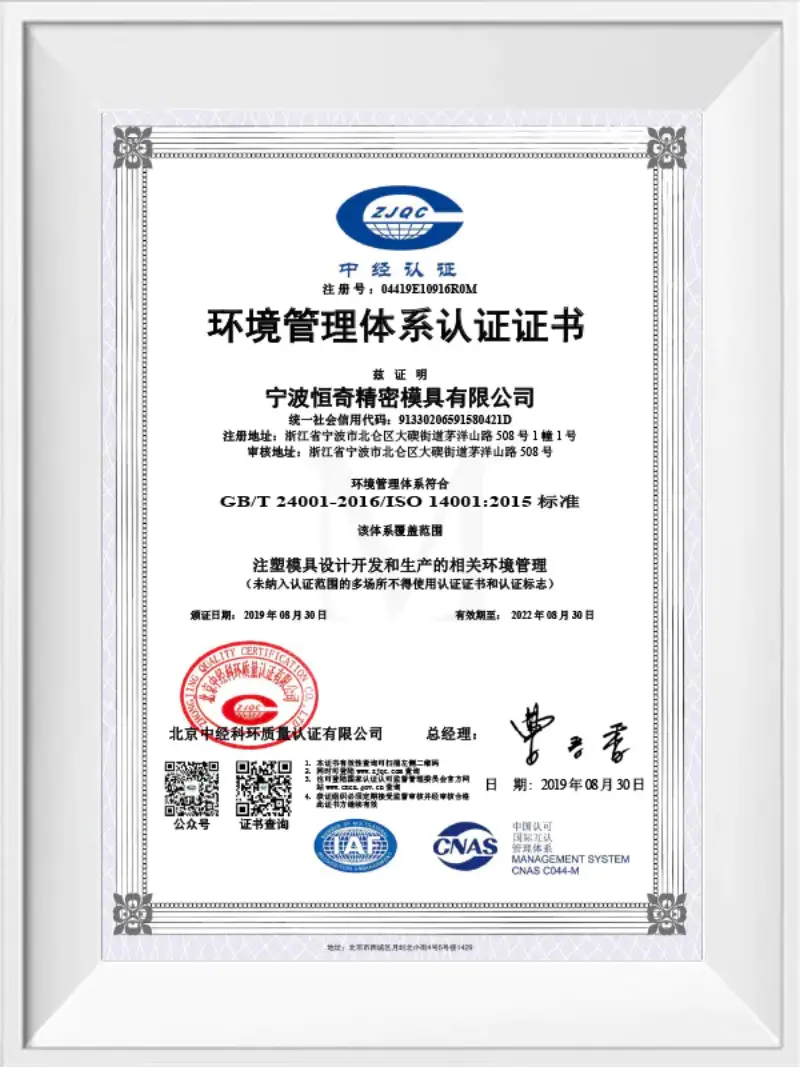
A plastic injection mould factory supports modern manufacturing by turning product requirements into tooling that can run repeatedly under real production conditions. For buyers, the factory's value is not only machining steel. It is the ability to review design, select materials, build moulds, test samples, solve process issues, and support stable output after shipment.
This matters for food packaging, thin-wall containers, cup lids, IML cups, threaded caps, cutlery, and custom plastic parts. Each category has different risk points, but every project depends on the same foundation: clear part data, accurate mould design, controlled machining, disciplined sampling, and practical production feedback.
Design for Manufacturing Comes First
A capable factory should review wall thickness, draft angle, ribs, gate position, parting line, ejection area, surface finish, and matching components before quoting final tooling. Design for manufacturing helps buyers find problems while they are still inexpensive to change.
For packaging projects, the review should include lid fit, stack height, sealing surface, label area, robot take-out clearance, and target part weight. If these details are missed, the mould may produce samples but still fail daily line requirements.
Tooling Choices Affect Production Cost
Steel grade, hot runner type, cooling layout, insert structure, and spare-part plan all influence the total cost of ownership. A lower mould price can become expensive when cycle time is slow, parts deform, or maintenance requires long downtime.
Buyers should ask the factory why a specific steel, runner, and cavity count are recommended. The answer should connect to resin, output target, machine tonnage, surface requirement, and expected tool life rather than a generic standard configuration.
Trial, Quality Control, and Acceptance
A mould trial should produce more than a few attractive samples. Buyers need trial parameters, cycle records, sample dimensions, part weight, defect notes, and practical comments on cooling, ejection, and automation readiness.
Acceptance checks should match the product application. Food containers need lid-fit and stacking checks. Cup lids need rim sealing and leak tests. IML products need label position review. Threaded cups and caps need torque and closure-fit validation.
Supply-Chain Value of an Experienced Factory
An experienced plastic injection mould factory helps buyers reduce supplier handoffs because design review, tooling, sampling, and technical communication can stay connected. This is especially useful when product launch timing is tight or when several related moulds must work together as a packaging system.
For long-term sourcing, buyers should evaluate communication quality, project documentation, delivery discipline, maintenance guidance, and whether the factory has similar product experience. Those factors often decide how smoothly the mould performs after installation, when the buyer no longer has time for repeated design corrections.