Injection molding is widely used for food container production because it can combine repeatable dimensions, high output, controlled wall thickness, and strong design flexibility. For packaging buyers, the main advantage is not just that containers can be made quickly. It is that the mould can be engineered around lid fit, stacking, sealing, weight control, and automation from the start.
Food containers such as lunch boxes, sauce cups, soup bowls, crisper boxes, and compartment trays usually need PP or similar food-grade resins, stable rim geometry, and clean release from the mould. These requirements make tooling design a central part of the product's commercial success.
Why Injection Molding Supports Consistent Food Packaging
A well-built food container mould can repeat the same cavity dimensions over long production runs. This consistency helps containers stack correctly, match lids, pass filling-line handling, and maintain a predictable part weight.
Injection molding also supports functional features that are difficult to control with simpler forming methods, including snap rims, sealing lands, anti-theft buckles, compartment walls, textured surfaces, and IML label areas. These details help packaging brands differentiate products while still using scalable manufacturing.
How Cycle Time and Resin Use Affect Cost
The economics of injection molded food containers depend on resin weight, cycle time, scrap rate, machine efficiency, and labour or automation cost. A mould with balanced filling and efficient cooling can reduce unit cost by producing stable parts faster and with less waste.
Buyers should be careful with extreme lightweighting. Reducing wall thickness can save resin, but if the mould cannot fill, cool, and eject the part reliably, the savings can disappear through deformation, longer cycles, or customer complaints about weak containers.
What Buyers Should Check Before Ordering a Food Container Mould
Before placing an order, define container capacity, target weight, resin, wall thickness, lid or film-seal method, filling temperature, stack height, machine tonnage, automation plan, and expected output. These details help the supplier choose cavity count, hot runner type, cooling layout, and ejection design.
If the container is used for hot food, delivery packaging, cold storage, or retail display, share those conditions during design review. Heat resistance, leak performance, transport stacking, and appearance requirements can all change mould structure.
Injection Molding Works Best as a Complete Packaging System
A food container mould should be validated with the matching lid, label, filling process, and packaging method. The strongest acceptance checks include part dimensions, lid-fit testing, leakage review, stacking load, cycle records, visual inspection, and trial conditions.
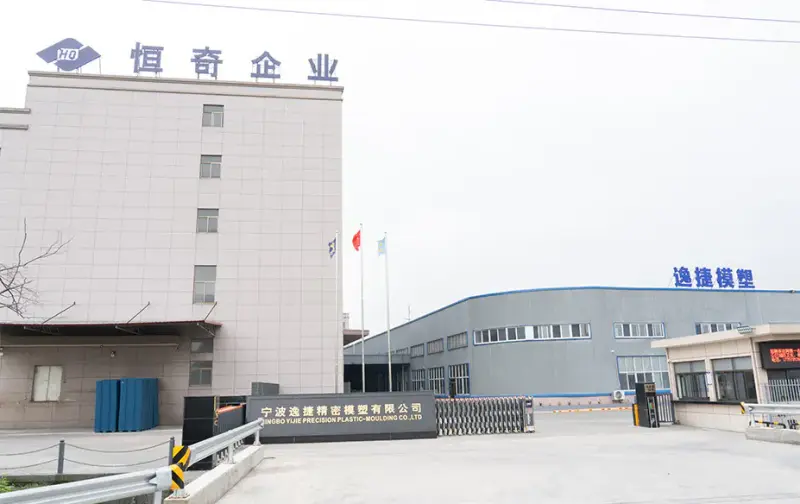
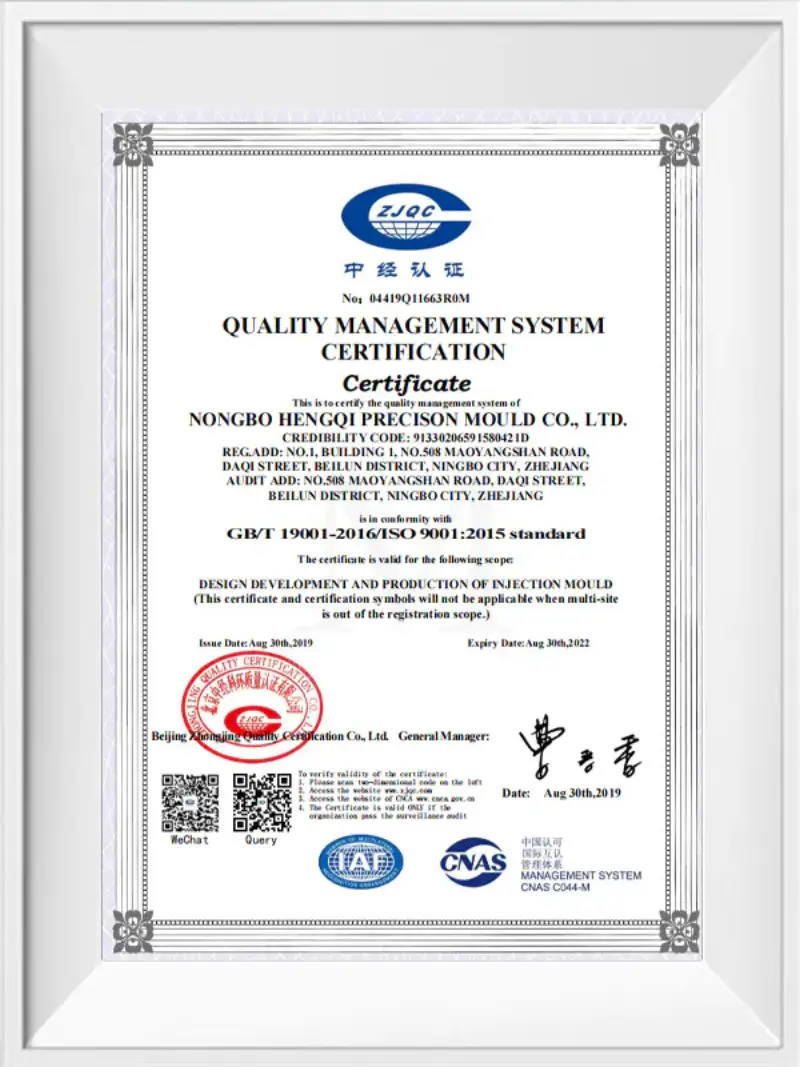
For buyers comparing mould suppliers, Hengqi recommends judging the factory by its questions as much as by its quote. A supplier that asks about resin, machine, lid fit, automation, and acceptance standards is more likely to deliver a mould that performs in real production, not only during a short sample run.