Selecting a plastic injection mould factory is a production-risk decision, not just a sourcing task. A buyer needs evidence that the factory can turn drawings, samples, resin data, and output targets into a mould that runs repeatably after shipment.
For food container, cup, lid, spoon, fork, and IML packaging projects, the strongest supplier is usually the one that connects design review, machining, assembly, trial, inspection, and after-sales support into one controlled workflow.
What Capabilities Should Buyers Verify First?
Start with design for manufacturability. The factory should review wall thickness, draft angle, parting line, gate position, venting, ejection, cooling, shrinkage, and matching parts before steel is ordered. This review is especially important for thin-wall packaging because small design errors can create filling imbalance, rim deformation, weak sealing, or slow cycle time.
Buyers should ask for examples of similar moulds, expected machine tonnage, proposed cavity count, steel grade, runner type, cooling strategy, and trial conditions. A serious supplier should be able to explain why each recommendation fits the product rather than only repeating a standard quotation template.
Machining, Assembly, and Tooling Control
A capable plastic injection mould factory needs reliable CNC machining, EDM, grinding, polishing, fitting, and assembly control. For multi-cavity tools, precision is not only about one cavity looking good; every cavity must hold consistent dimensions, filling behavior, and ejection performance.
Useful evidence includes equipment lists, cavity numbering practice, steel certificates where available, hardness records, water-circuit pressure checks, hot runner wiring checks, spare-part plans, and photos or videos from machining and assembly. These details help buyers judge whether the factory can maintain control through the full tooling process.
Sampling and Acceptance Evidence
Mould trial is where the factory's capability becomes measurable. Buyers should request samples from every cavity, part weight data, dimensional reports, cycle time records, injection parameters, cooling water layout, and notes on any modifications made after the first trial.
For packaging moulds, acceptance should include functional checks such as lid fit, stacking, sealing, drop handling, gate appearance, flash control, demolding stability, and automation take-out. A factory that documents these points gives the buyer a stronger baseline for commissioning the mould in their own workshop.
Quality Systems and Communication
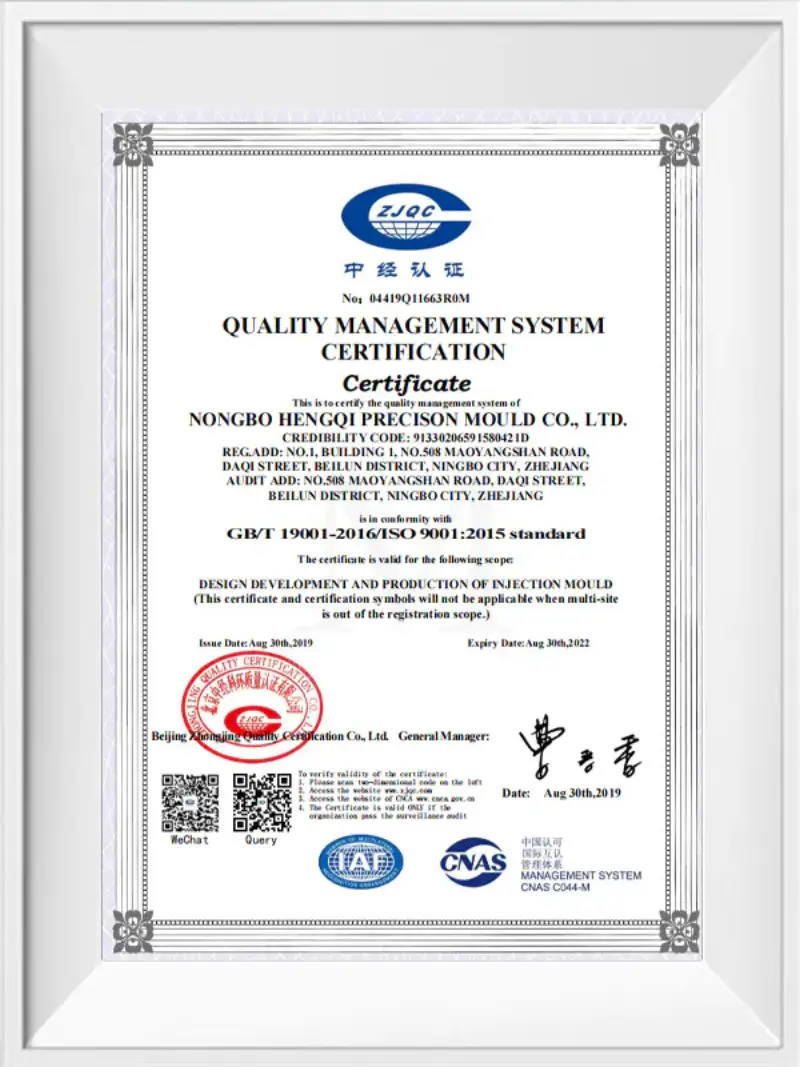
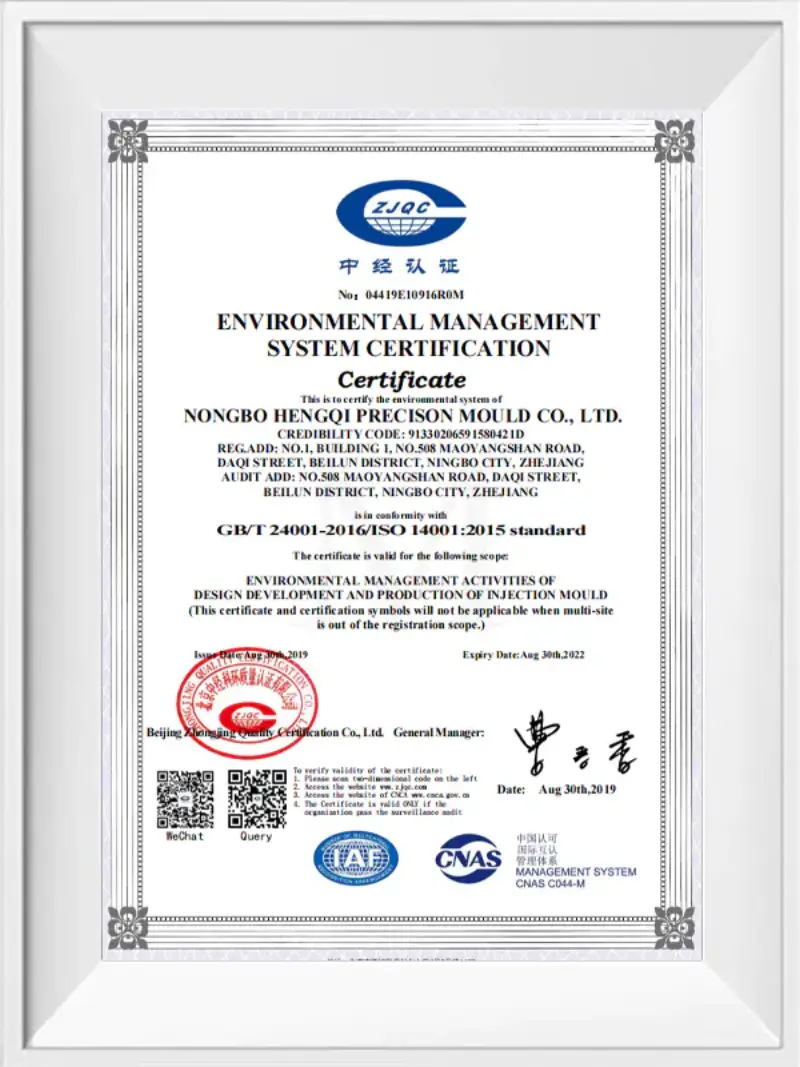
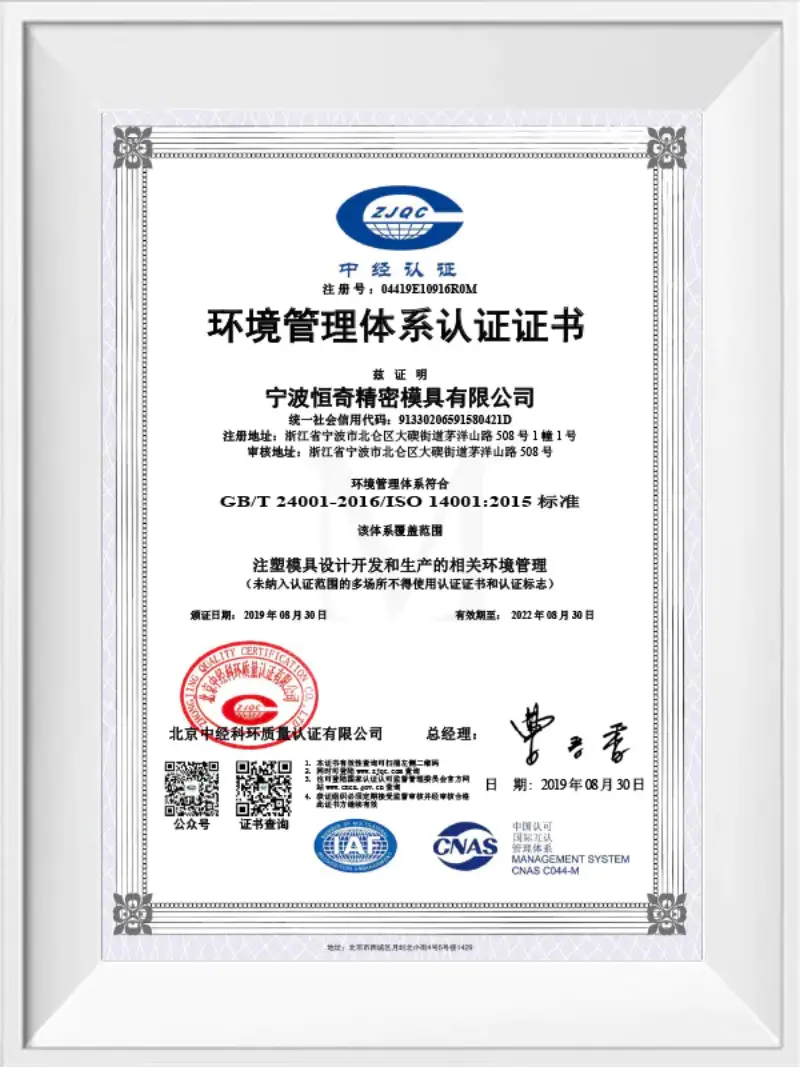
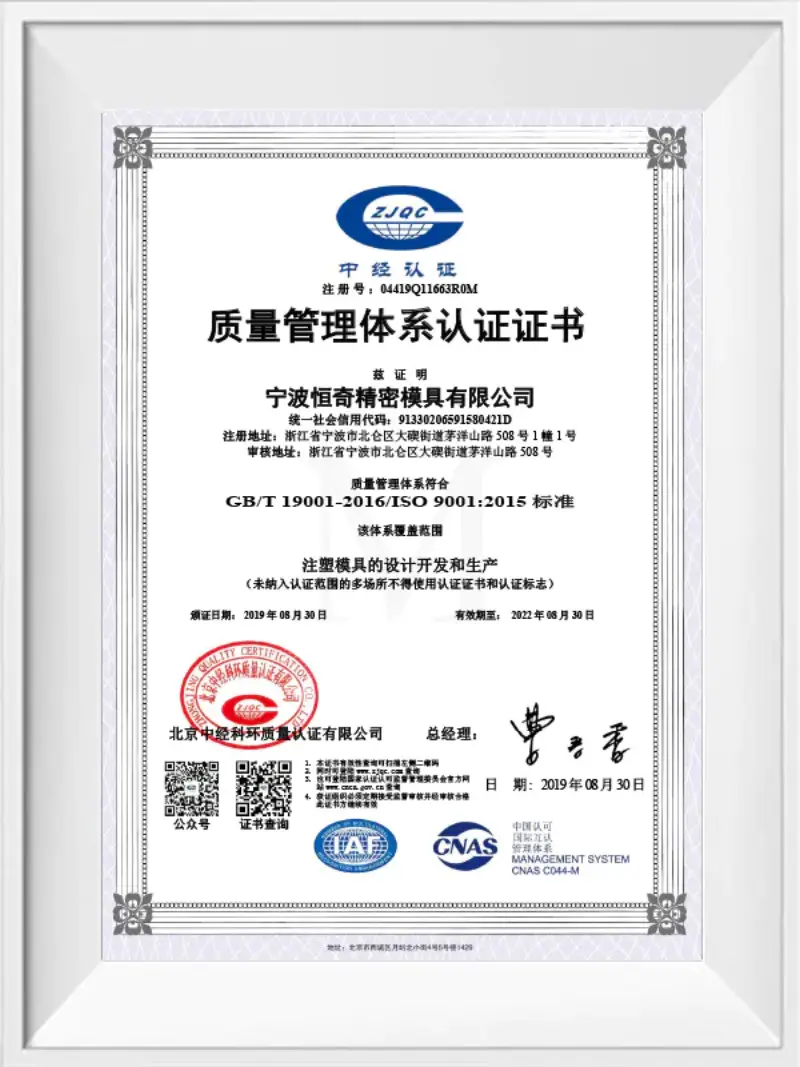
Certifications and quality systems are useful only when they show up in daily project control. The buyer should look for clear drawing revision control, material confirmation, inspection records, project schedules, trial reports, and practical communication when tradeoffs appear.
Good communication reduces tooling risk. If the factory can explain why a hot runner, insert material, cooling layout, or ejection method is being selected, the buyer can compare proposals on production value instead of only comparing mould price.
RFQ Checklist for Plastic Injection Mould Factory Selection
Before sending an RFQ, prepare product drawings or samples, resin grade, target part weight, wall thickness, annual output, machine tonnage, automation plan, packing method, and inspection requirements. Ask each factory to respond with steel selection, cavity proposal, runner plan, estimated cycle time, sampling scope, spare parts, and delivery schedule.
The best plastic injection mould factory for a buyer is the one that can prove stable production capability before the order is placed. Strong engineering review, controlled machining, transparent sampling, and documented acceptance reduce the chance of expensive changes after the mould reaches mass production.