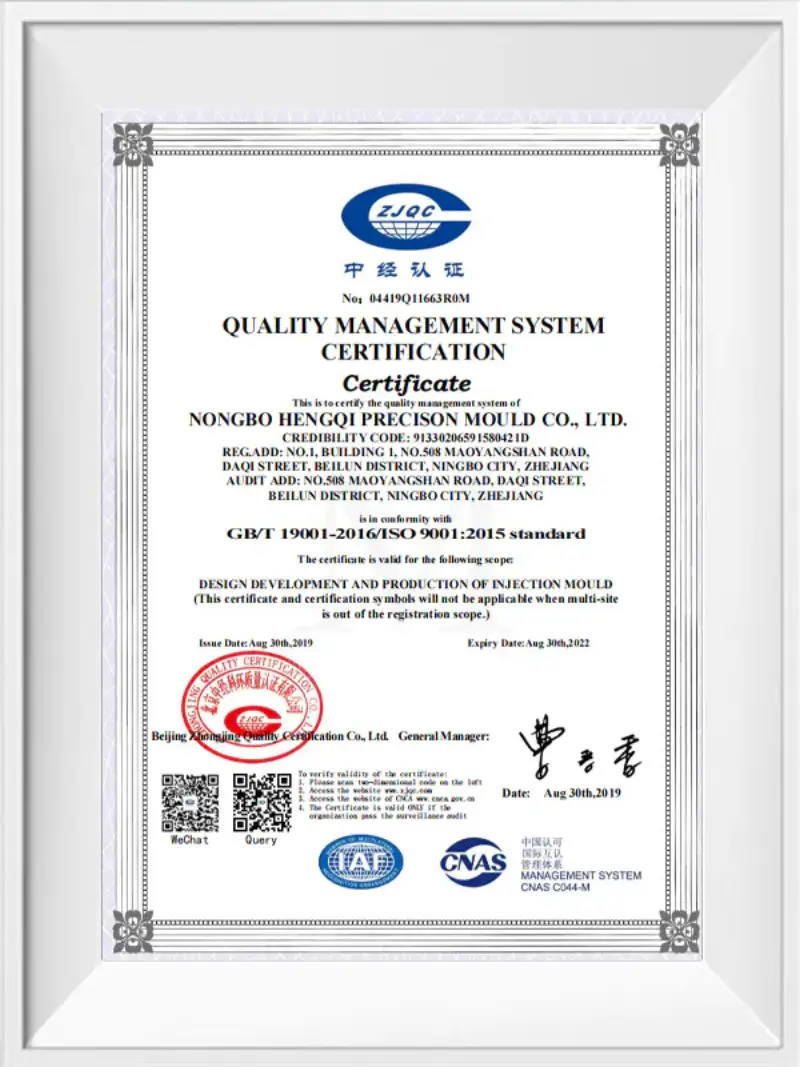
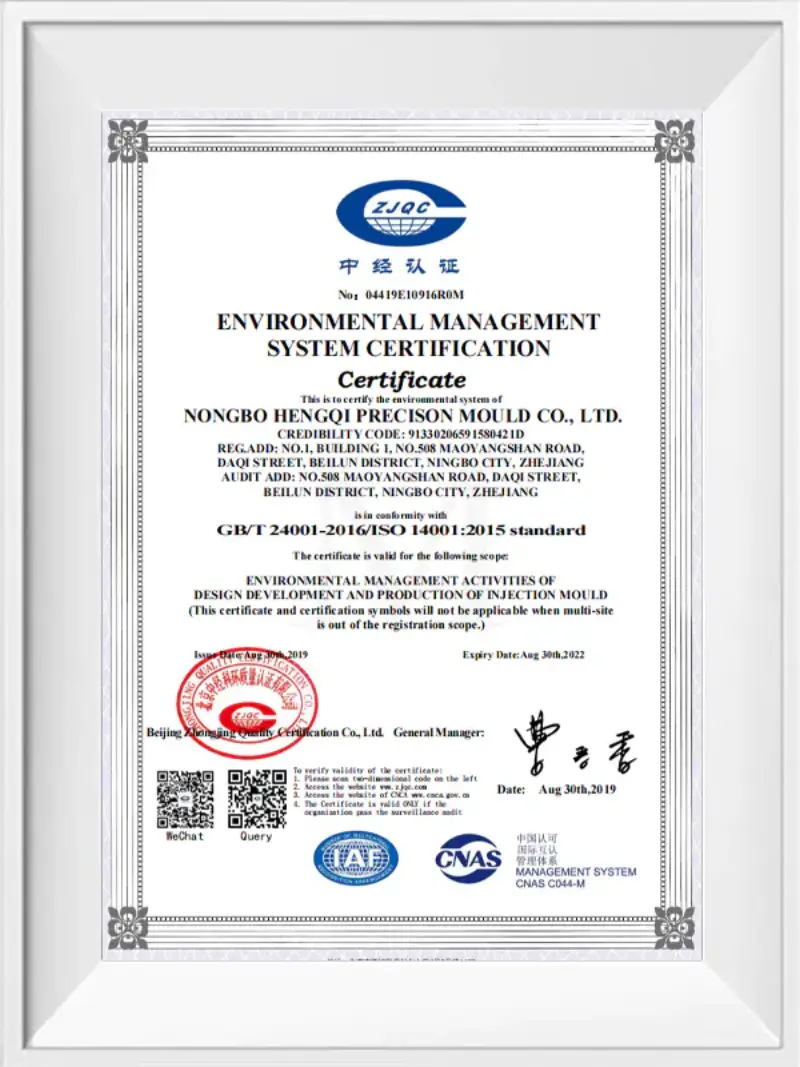
Plastic cup mould quality control should begin at design review and continue through machining, assembly, sampling, acceptance, and production maintenance. Buyers who only inspect a few finished cups at the end may miss the root causes of future cycle instability, flash, deformation, or cavity imbalance.
A practical quality process connects tooling technology with measurable production output. The buyer should understand how the supplier reviews cup geometry, verifies steel machining, balances the runner and cooling system, records trial data, and prepares the mould for daily production.
Design Review Before Steel Cutting
The first quality-control checkpoint is the product and mould design review. For plastic cups, the supplier should confirm rim structure, wall thickness, draft angle, bottom strength, stacking pitch, gate position, venting, cooling layout, ejection method, and robot take-out clearance.
Mold flow or filling analysis can be useful when the cup is thin-walled, multi-cavity, transparent, or IML-ready. The goal is not a decorative report; the goal is to predict filling balance, weld lines, pressure demand, air traps, and cooling risk before the tooling team commits to steel.
Machining and Assembly Checks
CNC machining, EDM, wire cutting, polishing, fitting, and assembly all affect cup accuracy. Critical dimensions around the cavity, core, rim, gate, ejector system, and cooling inserts should be checked during manufacturing rather than only after the mould is complete.
Buyers should ask how the factory controls machining tolerance, electrode accuracy, parting-line fit, water-circuit sealing, hot runner installation, and moving-component alignment. For multi-cavity cup moulds, consistent cavity geometry is essential because small differences can create different cup weights and different rim sizes.
Sampling Data That Proves Mould Performance
A useful sampling report should show more than photos. It should include resin grade, machine model, clamping force, injection pressure, injection speed, cooling time, total cycle time, mould temperature, water temperature, and sample results from every cavity.
During trial, inspect cup weight, height, rim diameter, wall thickness, bottom flatness, gate mark, flash, shrinkage, transparency, deformation, stacking, lid matching, and demolding stability. Repeated short runs are not enough for acceptance if the buyer needs long production shifts; the mould should run long enough to reveal heat balance and ejection issues.
Quality Standards for Cup Inspection
Cup inspection should focus on the features that affect selling and use. Beverage cups need clean rims, stable stacking, smooth surfaces, and reliable lid fit. IML cups also need label position, label adhesion, surface appearance, and rejection rate checked under the planned automation method.
If the product has food-contact requirements, the buyer should align on resin traceability, clean handling, sample packing, and documentation. If the cup is used with hot filling or sealing, trial checks should include the real temperature and matching lid or film conditions whenever possible.
Maintenance Planning After Acceptance
A cup mould that passes sampling still needs a maintenance plan. The supplier should provide spare parts, water-line layout, hot runner information, lubrication points, wear-part drawings, and recommended inspection intervals. This helps the production team prevent downtime instead of waiting for visible failures.
Quality control for plastic cup moulds is a whole-process discipline. Strong suppliers can explain the design review, manufacturing checks, trial records, and acceptance standard in practical terms. Strong buyers use those records to approve a production tool that can keep cup quality stable after delivery.