IML moulds offer quality and efficiency only when the tooling, label handling, injection process, and automation are designed as one system. For buyers, the key question is not whether IML can produce a beautiful sample. The real question is whether the mould can keep producing acceptable decorated parts at the target cycle time after shipment.
A strong buying process should compare visible quality, production efficiency, maintenance access, and supplier validation records. These criteria help buyers avoid tools that look good during a short trial but become unstable during high-volume production.
Quality Criteria for IML Mould Purchasing
Quality starts with label registration. The mould must hold each label flat and in the correct position before injection, then keep it stable as resin enters the cavity. Buyers should inspect label offset, edge alignment, corner wrinkles, trapped air, and print distortion across every cavity.
Part quality also depends on mould precision. The finished cup, lid, or container should meet the agreed dimensions, wall thickness, rim geometry, stacking fit, sealing function, and appearance standard. For transparent or glossy packaging, surface finish, gate marks, flow lines, and scratches need stricter acceptance limits.
Efficiency Factors That Affect Unit Cost
IML efficiency comes from stable automation and cycle repeatability. The label magazine, robot, mould opening stroke, ejection, take-out path, cooling time, and injection settings all influence output. If one element is unstable, the line may run slower than the quotation suggests.
Buyers should ask for trial data that includes cycle time, part weight, cavity balance, reject examples, machine model, resin grade, label material, and automation settings. This information is more useful than a simple sample photo because it shows whether quality was achieved under realistic production conditions.
Tooling Design Questions to Ask the Supplier
Before approving the mould design, ask how labels are held, where gates are placed, how hot runner zones are controlled, how vents are maintained, how water circuits are arranged, and how ejection avoids label or part damage. These details are directly connected to quality and efficiency.
Maintenance access should also be reviewed. IML moulds need practical access to hot runner parts, vacuum channels, label positioning areas, ejector components, and wear parts. If maintenance is difficult, downtime can erase the production benefits that justified the IML investment.
Supplier Capability and Acceptance Records
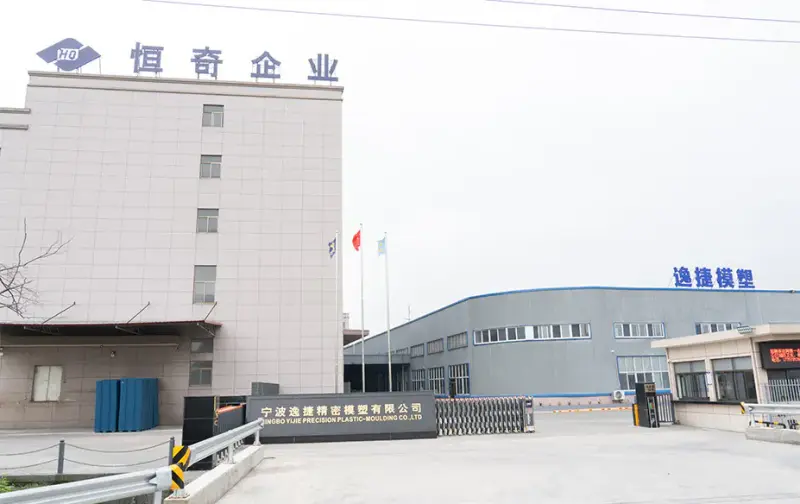
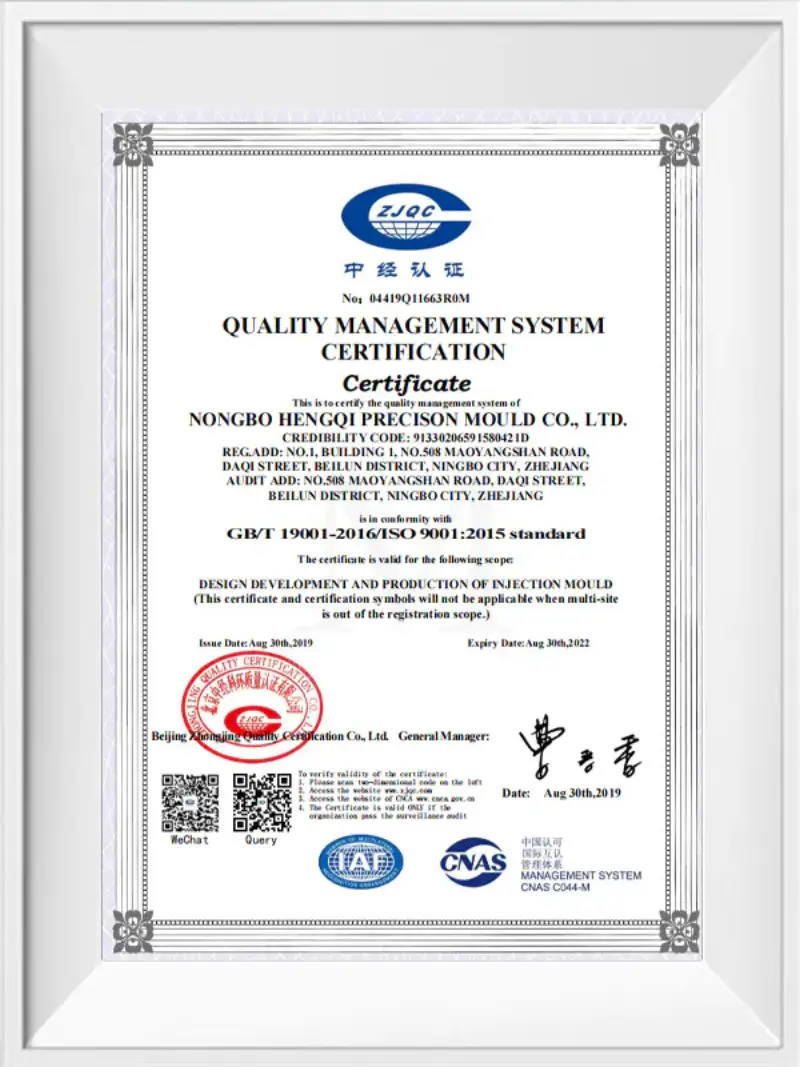
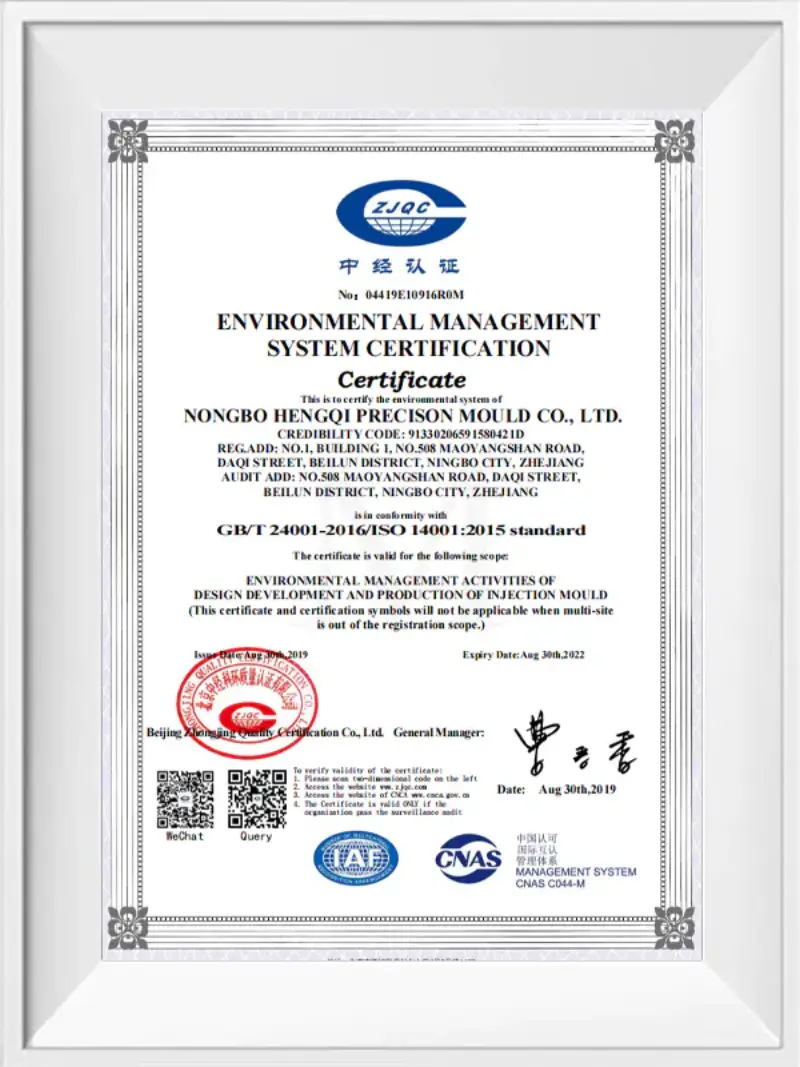
An IML mould supplier should provide drawings, steel and heat treatment records, trial videos, sample inspection reports, spare-part lists, maintenance instructions, and process suggestions for the buyer's machine. For new projects, the supplier should also review the label material and product drawing before confirming the quote.
Final acceptance should include samples from all cavities, repeated cycles under agreed settings, label adhesion checks, dimensional reports, and a clear list of remaining adjustments if any defect is found. The buyer should keep these records as the baseline for future production troubleshooting.
When evaluated correctly, IML mould quality and efficiency become measurable purchasing criteria. The best tool is not simply the one with the lowest price or fastest promised cycle. It is the mould that can hold decoration quality, part function, and production rhythm together after the buyer starts real manufacturing.