A thin-walled box packaging mould is used when a food container needs low part weight, short cycle time, and enough strength for stacking, sealing, delivery, or supermarket display. These goals can conflict, so the mould must be designed around production conditions instead of only a product rendering.
Buyers comparing thin-wall box mould suppliers should look at wall thickness control, flow balance, cooling design, ejection stability, lid fit, and trial data. These details decide whether a lightweight container can run at high speed without warpage, short shots, or stacking problems.
Why Thin-Wall Box Moulds Need Careful DFM
Thin walls reduce resin consumption, but they also make filling more demanding. Melt flow must reach the end of the cavity quickly before the part freezes, and the gate position must support uniform packing across the base, corners, and rim.
DFM review should check wall thickness transitions, rib design, corner radius, draft angle, venting, and the relationship between the container and its matching lid. If the box needs compartments, anti-theft features, or IML decoration, those requirements should be included before tooling starts.
Cooling and Cycle Time
Cooling usually decides whether a thin-wall mould reaches the promised production speed. Uneven cooling can create bending, unstable stack height, or lid-fit problems even when the part looks acceptable immediately after mould opening.
A qualified proposal should explain cooling water layout, steel selection, runner system, expected cycle time, and machine match. For high-speed food packaging, the injection machine must also provide enough speed, pressure, clamp force, and water temperature control.
Material and Food Packaging Requirements
Most thin-wall food boxes use PP or related packaging resins, but each grade has different flow and shrinkage behavior. Recycled-content blends or special high-clarity grades should be reviewed before finalizing the cavity and runner design.
Buyers should also confirm whether the container must handle chilled storage, hot filling, microwave reheating, delivery stacking, film sealing, or a snap-on lid. Each requirement affects rim strength, bottom stiffness, surface finish, and inspection criteria.
Supplier Checklist Before Ordering
Before ordering a thin-walled box packaging mould, prepare the part drawing or sample, target weight, resin grade, machine model, cavity quantity, automation plan, lid or film information, and expected annual output. This information helps the supplier propose a tool that fits real production capacity.
During sampling, check part weight, wall thickness, lid fit, stack height, drop resistance, appearance, cycle time, and long-run stability. If the supplier can only show a short sample run, buyers should ask what changes may be needed before mass production.
Where Hengqi Thin-Wall Moulds Fit
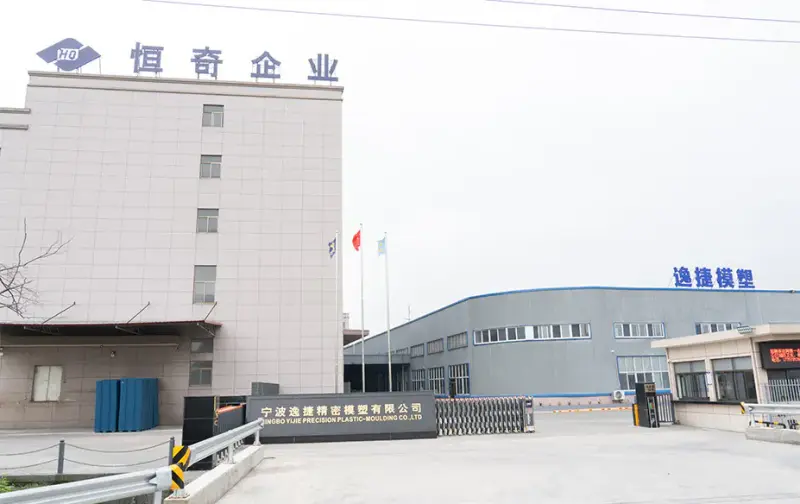
Hengqi produces thin-wall food container moulds including round boxes, square boxes, compartment lunch boxes, sauce containers, lids, and IML packaging tools. The common engineering focus is stable filling, efficient cooling, clean release, and container performance after packing.
For buyers, the best thin-wall mould is the one that turns a lightweight design into repeatable accepted output. Clear project data and practical mould review reduce rework, protect cycle time, and make the packaging line easier to scale.